


PARTNERING COMMUNITIES
IN-CORE has long-standing partnerships in communities across the country. By working with cities of varying size and geography, researchers evolved IN-CORE into the powerful tool it is today. Learn how it shapes resilience efforts and decisions in the following locations.
JOPLIN, MISSOURI
Joplin, Missouri, was devastated by an EF5 tornado in 2011, injuring 1,150 people and causing 161 fatalities. The community used IN-CORE to evaluate wind-resistant roofing techniques to reduce damage and dislocation from homes.
GALVESTON, TEXAS
IN-CORE allows the exploration of the interconnected impacts of hurricane hazards on social, economic and physical infrastructure of a community. Galveston, Texas, a community vulnerable to hurricanes, uses the tool to evaluate resilience to wind, wave and storm surge.
SALT LAKE CITY, UTAH
Salt Lake City and the surrounding county faces notable seismic risk due to its proximity to several active faults. A community resilience model was developed using IN-CORE, incorporating engineering, social and economic metrics. IN-CORE is used to prioritize seismic design upgrades based on the expected benefits.
IN-CORE BRIEFS
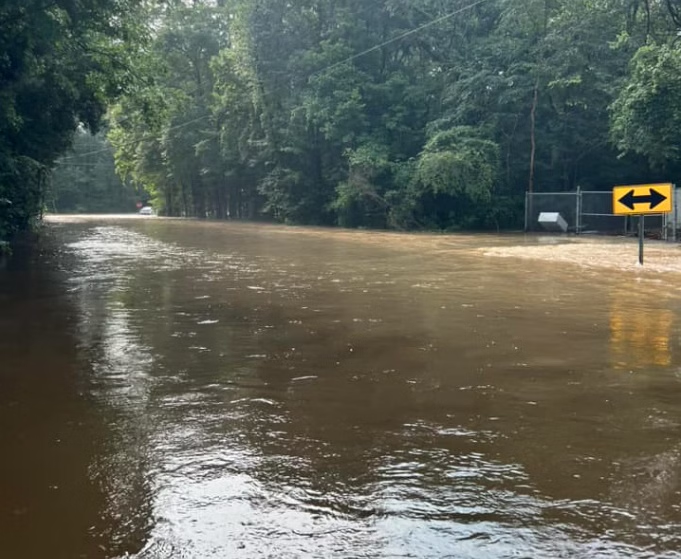
Research Teams Analyze Resilience in Five Communities Using the IN-CORE Platform
Read MoreUNDERSTANDING FLOOD SCENARIOS: ROADMAPS TO RESILIENCE
Read MoreIN-CORE at NIST Presentations
Read More
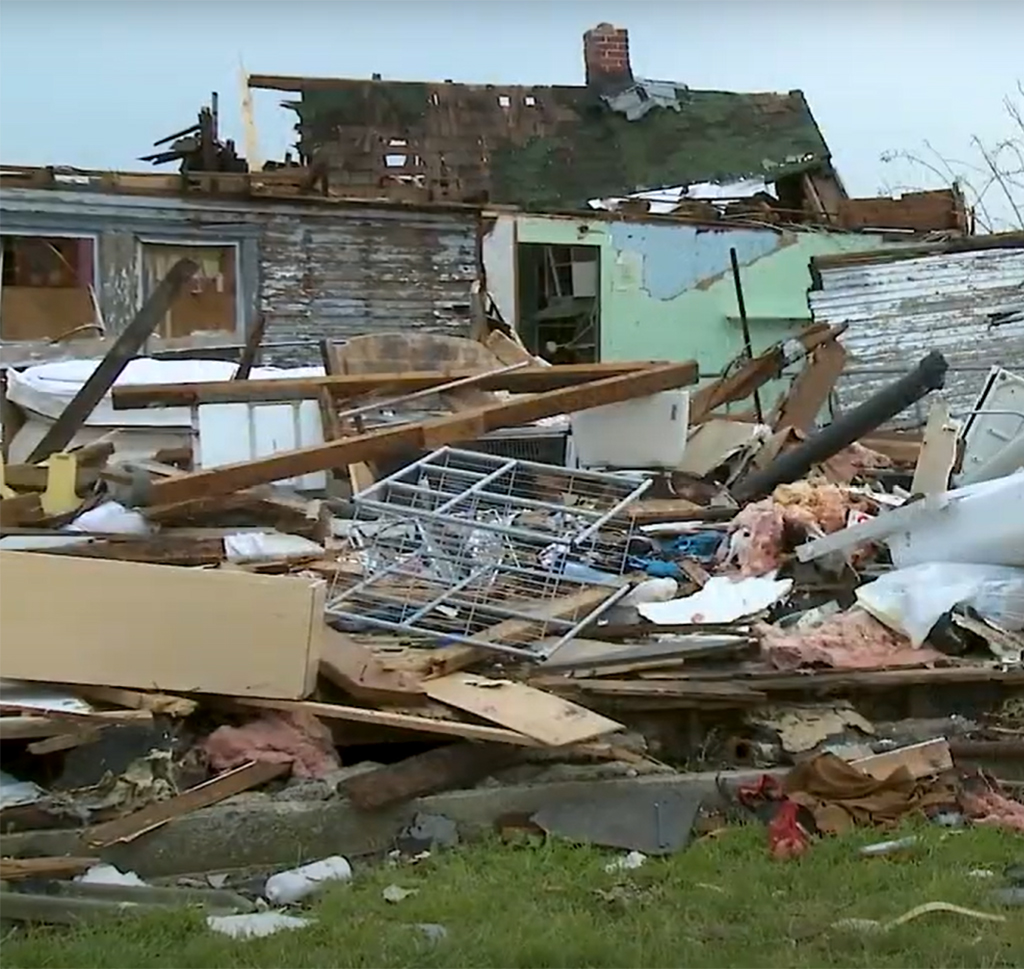
JOPLIN, MISSOURI
After a major tornado struck Joplin in 2011, the city began working with IN-CORE and the Project IN-CORE team to enhance tornado modeling. This effort aimed to help the city and other communities prepare for future natural hazard events.
Read More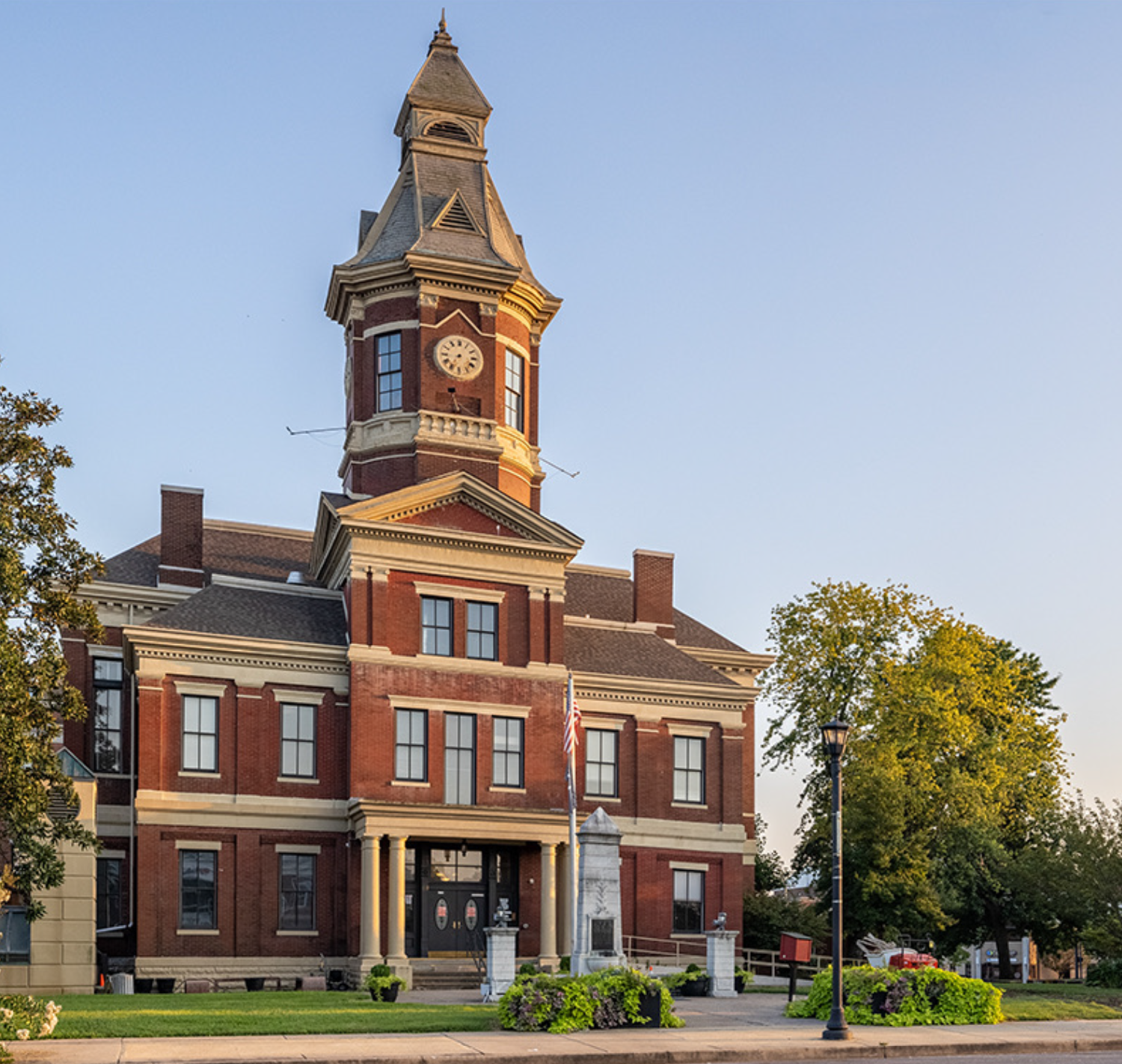

MAYFIELD, KENTUCKY
After a devastating tornado hit Mayfield, Kentucky, in December 2021, an IN-CORE simulation helped the city explore changes to building codes that could decrease building damage and population dissociation.
IN-CORE analysis indicated a 24% reduction in nonfunctional buildings under improved building codes after an EF4 tornado.


SEASIDE, OREGON
The city of Seaside, Oregon, is vulnerable to earthquake ground shaking and tsunamis due to its location within the Cascadia Subduction Zone.
An IN-CORE study showed a 65% decrease in annualized fatality risks when mitigation strategies (tsunami readiness, vertical evacuation, and seismic readiness) are employed.
Want to learn more about IN-CORE? Sign up to receive our newsletter.